

Dorevitch Pathology Report Explained

Independent Education and Results Support (Not Affiliated)

Important: Haus of Holistic Health is not affiliated with Dorevitch Pathology. This page is general education to help you understand common pathology report sections and next steps.

Dorevitch Pathology Report Explained

Why Pathology Reports Can Feel Confusing

A pathology report often includes medical abbreviations, reference intervals, flags, and comments that can be hard to interpret without context. A result outside a reference range doesn’t automatically mean something is wrong — and a “normal” result doesn’t always explain symptoms either.

This guide walks you through the most common sections you’ll see and how to think about them.
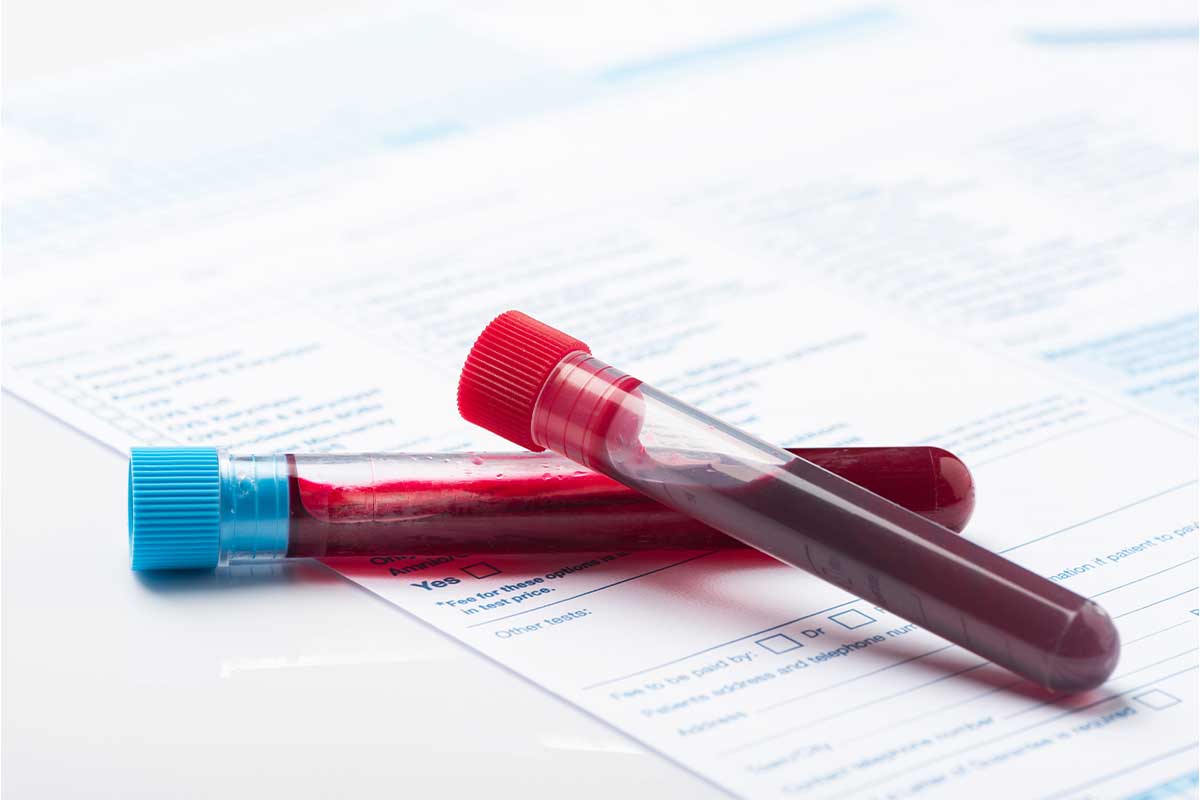
Common Sections You’ll See on Many Reports (Including Dorevitch-Style Reports)

Report layouts vary, but many include:

01

Patient & request details

Name, DOB, requesting practitioner, report/specimen number, plus dates collected, received, and reported.

02

Specimen details

What was tested (blood, urine, swab, stool, etc.) and any fasting status or collection notes included here.

03

Results table

The core table showing the test name, your result, units, reference interval, and any flagged markers.

04

Reference intervals

The comparison range for that lab/method. Always use the interval printed on your report for context.

05

Flags & symbols

Common flags include H (high) and L (low). Some labs use additional markers depending on systems.

06

Comments / clinical notes

Lab notes about sample quality, interpretation hints, or whether repeat/confirmatory testing may be needed.

Dorevitch Pathology Report Explained

What People Commonly Ask About (Markers & Panels)

These are frequent “what does this mean?” areas across many reports:

  • Iron studies (iron, ferritin, transferrin saturation)
  • Thyroid markers (depending on what was ordered)
  • Blood sugar markers (fasting glucose / long-term markers)
  • Lipids (cholesterol, triglycerides)
  • Liver and kidney markers
  • Inflammation markers (when tested)
  • Vitamin D / B12 / folate (where relevant)
  • Hormone markers (when clinically appropriate)

What matters most is the context: symptoms, medications/supplements, timing, recent illness, training load, sleep, and trends over time.

How to Read Your Report Step-by-Step

  • 1

    Start with the reason for testing (symptoms or monitoring goal)

  • 2

    Check collection conditions (fasting, time of day, recent illness, supplements)

  • 3

    Compare each value to the reference interval shown on your report

  • 4

    Note any flags (H/L) and read the comments section

  • 5

    Look for patterns (clusters of borderline results can matter more than one number)

  • 6

    If available, compare to previous results (trend > one-off snapshot)

Dorevitch Pathology Report Explained

If Your Results Are “Normal” But Symptoms Persist

This is common — and it doesn’t mean you’re “making it up.” A normal range result may still require follow-up when symptoms continue, because:

  • reference intervals are population-based
  • timing, stress, sleep, recent illness, and supplements can influence results
  • some issues require different tests, repeat testing, or investigation beyond bloodwork

A practical next-step pathway

  • Book in with your GP to discuss symptoms + results together
  • Ask whether repeat testing is appropriate (timing matters)
  • Discuss whether additional tests are relevant to your symptom picture
  • Review lifestyle contributors (sleep, stress load, nutrition, training, hydration)
  • Seek urgent care if you have red-flag symptoms (severe chest pain, fainting, sudden weakness, etc.)

How We Support You (Without Replacing Medical Care)

At Haus of Holistic Health, we can help you:

  • understand what each section of your report is showing
  • identify patterns worth discussing with your GP
  • map practical wellbeing next steps aligned with your goals
  • prepare questions for your next medical appointment

Important Disclaimers

  • We are not affiliated with Dorevitch Pathology.
  • This page is general education only and is not medical advice.
  • We do not provide pathology testing or sample collection.
  • For diagnosis, prescriptions, medication changes, or urgent symptoms, speak with your GP or emergency services.
What Our Clients Say

Some Kind Words From Our Respected Clients

Frequently Asked Questions

Not necessarily. Flags indicate a value outside a reference interval, but interpretation depends on context and the whole clinical picture.

Yes. Reference intervals can vary by lab method and population. Always use the interval printed on your report.

We can provide education and a functional/holistic interpretation framework, and help you plan questions for your GP. We don’t diagnose conditions.